
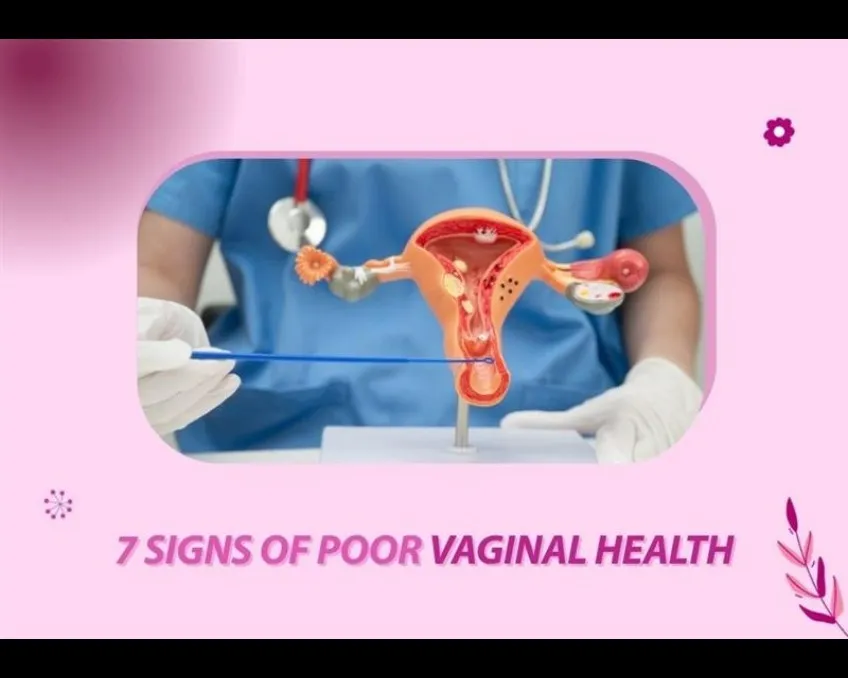
7 Signs of Poor Vaginal Health You Shouldn’t Ignore During Periods
Periods are a natural part of a woman’s life, but they can sometimes bring changes that may indicate poor vaginal health. While mild discomfort and mood swings are common, certain signs should never be ignored. Paying attention to these symptoms can help you maintain better intimate hygiene and prevent serious infections or reproductive health problems.
Here are the top 7 signs of poor vaginal health you should watch out for during your periods.
1. Unusual Vaginal Odor
A mild odour during menstruation is normal due to the presence of blood and bacteria. However, a strong, foul, or fishy smell could indicate an infection such as bacterial vaginosis. According to Dr. Harpreet Kaur, one of the best gynaecologists in Gurgaon, “Any unusual or ongoing vaginal odour should not be ignored. It could be a sign of an underlying infection that needs timely treatment.” If the odour continues even after your period ends, it is important to consult a gynaecologist near you for proper diagnosis and care.
2. Abnormal Vaginal Discharge
Discharge helps keep your vagina clean and protected, but if it becomes thick, greenish, yellow, or curd-like, it may signal a yeast or bacterial infection. During periods, it can be easy to miss these changes, but if you notice any difference in color, texture, or amount of discharge, it is a red flag for poor vaginal health.
3. Itching or Burning Sensation
Persistent itching, irritation, or burning in the vaginal area during your periods can be caused by infections, poor hygiene, or allergic reactions to sanitary pads. Using unscented menstrual products, maintaining cleanliness, and changing pads frequently can help. However, if the irritation continues, it is best to seek medical advice to rule out conditions like vaginal candidiasis or dermatitis.
4. Pain During or After Periods
Mild cramps are common, but if you experience severe pelvic pain, pain during urination, or pain after intercourse, it could be linked to endometriosis, pelvic inflammatory disease (PID), or infections. Persistent pain should never be ignored; early diagnosis can help in better management and quicker recovery.
5. Irregular or Heavy Bleeding
Sudden changes in your menstrual flow, such as very heavy bleeding, prolonged periods, or skipped cycles, can be signs of hormonal imbalance, fibroids, or thyroid issues. Tracking your period regularly helps in identifying abnormalities early. If you frequently experience such irregularities, visiting a gynecologist is recommended.
6. Swelling or Redness Around the Vagina
Swelling, redness, or tenderness around the vaginal area can occur due to infections, poor menstrual hygiene, or allergic reactions. Keeping the area dry, wearing breathable cotton underwear, and avoiding tight clothing can help reduce irritation. Persistent swelling, however, requires medical attention to prevent complications.
7. Painful Urination
Experiencing pain, burning, or discomfort while urinating during your period could be a sign of a urinary tract infection (UTI) or vaginal infection. Staying hydrated and practicing good hygiene can help, but if the symptoms continue, it’s crucial to get tested and treated promptly.
Tips to Maintain Vaginal Health During Periods
● Change sanitary pads or tampons every 4–6 hours.
● Avoid using scented hygiene products or douches.
● Wash the vaginal area with mild, pH-balanced cleansers.
● Stay hydrated and eat a balanced diet.
● Engage in light exercise or physiotherapy to improve blood flow and reduce cramps.
When to See a Doctor?
If you notice any of these signs regularly, it’s important to visit a gynecologist doctor for evaluation. Ignoring vaginal health can lead to complications like pelvic infections or fertility issues. Regular check-ups and maintaining hygiene are key to a healthy reproductive system.
Conclusion:
Your period is not just a routine monthly cycle; it is also a time when your body gives vital signals about your overall health. Being aware of the symptoms and maintaining good menstrual hygiene can help prevent infections and discomfort. If you are facing recurring issues during your periods, don’t hesitate to consult an experienced gynae near you for expert care and guidance.
Keywords